Solar alone usually won’t keep your lights on during an outage
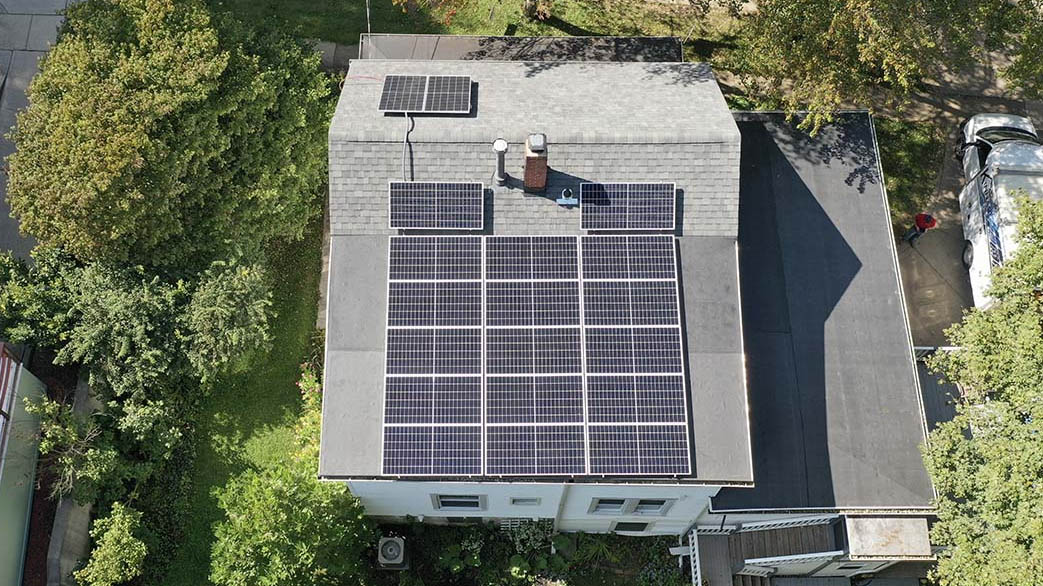
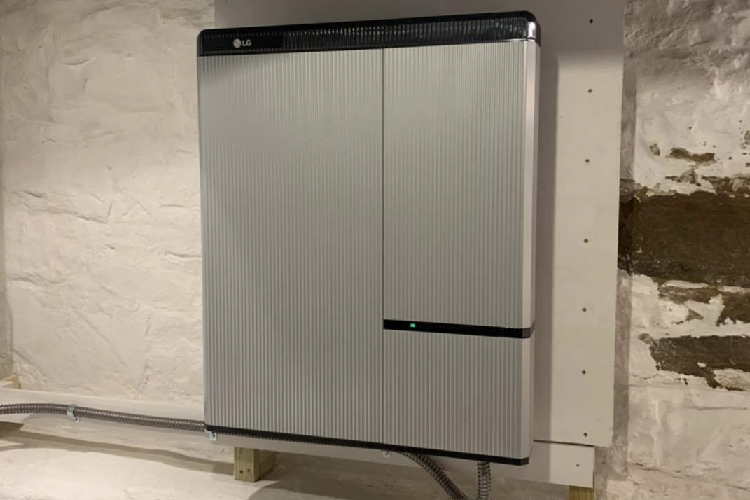
This surprises a lot of homeowners: a typical grid-tied solar system shuts down during a power outage for safety reasons. To keep power flowing at your home when the grid is down, you generally need battery backup (or another approved backup configuration).
Two approaches: critical loads vs whole-home backup
Critical loads backup focuses on the essentials:
- Refrigerator/freezer
- Some lights
- Internet/router
- Sump pump
- Medical devices
Whole-home backup is possible, but usually requires more capacity—and cost—especially if you want to run large loads.
What drains a battery quickly
Some appliances use a lot of power and can shorten backup time:
- Electric water heaters
- Electric ovens/ranges
- Central AC
- Electric dryers
How we size backup for Central Ohio homes
We start by asking: “What must stay on?” and “How long?” Then we check:
- Panel capacity and available breaker space
- Which circuits are critical
- Peak starting loads (motors/pumps)
- Whether you want generator integration as well
A smart, local approach
Outages aren’t daily, but when storms roll through Ohio, backup can make a big difference. Many homeowners around Newark and Heath choose a battery sized for critical circuits because it’s the best balance of reliability and cost.
If you want a quote, we can recommend a setup based on your panel, your critical loads, and your goals.