Why “net metering” is the #1 question we get
When homeowners in Central Ohio consider solar, the first concern is usually: “How does my bill work if I produce extra power?”
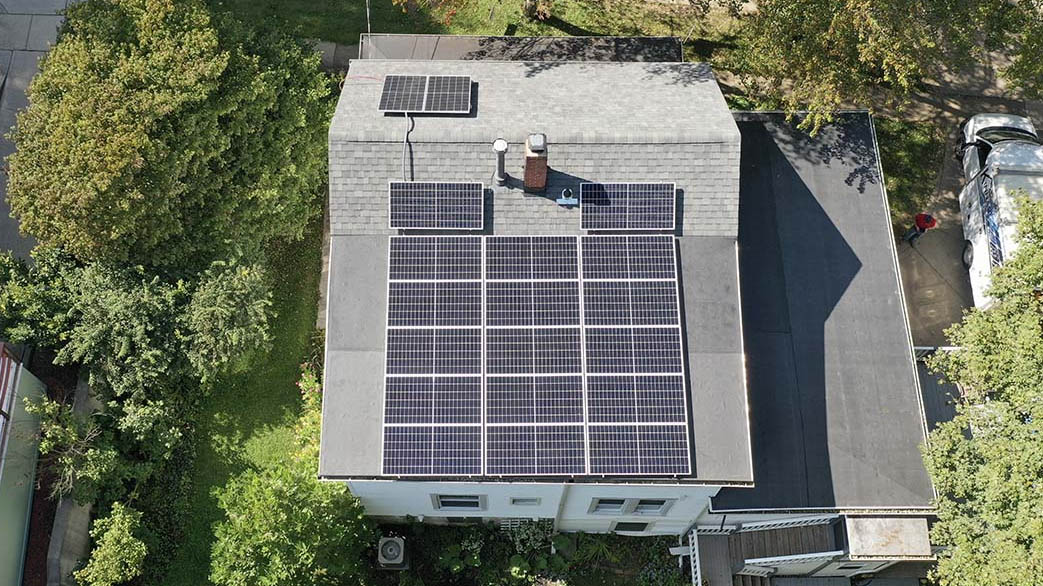
While the exact details depend on your utility and account setup, the core idea is the same: your system produces electricity, your home uses what it needs, and any extra production may be credited according to your utility’s rules.
How the flow of power works
- Daytime: Solar powers your home first
- Extra production: May flow to the grid and be credited
- Nighttime / cloudy days: You draw from the grid as usual
What changes your results the most
The way credits show up on your bill depends on things like:
- How your utility applies credits (timing and structure)
- How much energy you use after the sun goes down
- How your home’s usage patterns line up with solar production
Questions to ask before you install
- How will excess production be credited on my bill?
- Will I still have a minimum monthly charge or fixed fees?
- Is there an annual “true-up” or reset of credits?
- Do I need a specific meter, and who provides it?
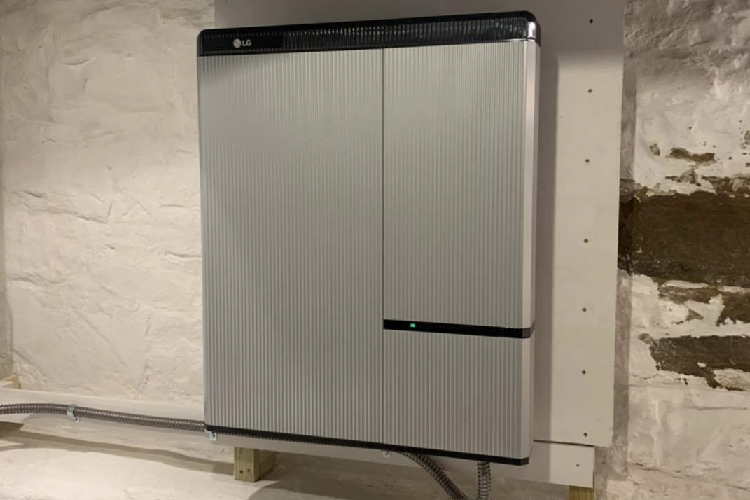
- How does adding a battery change the way I use credits?
Local tip: plan around your real usage
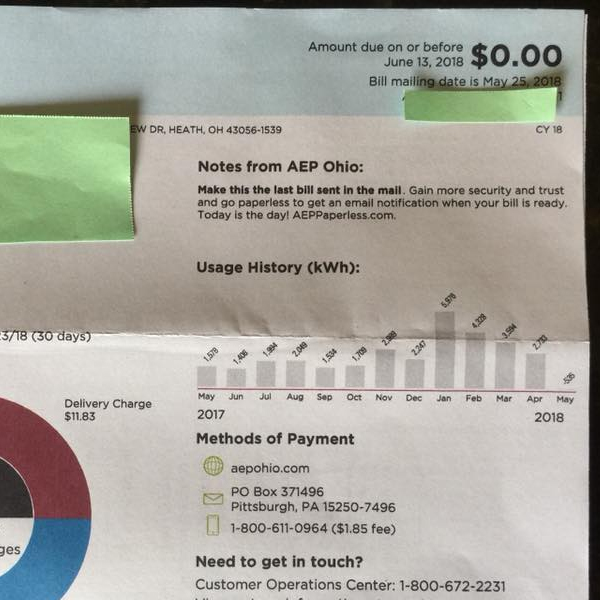
In Newark, Heath, and surrounding areas, we commonly see seasonal usage spikes—especially during summer AC months. The best estimate comes from reviewing 12 months of usage so your system is sized correctly.
If you want, we can walk through your last year of bills and explain what your bill would typically look like with solar—before you commit.